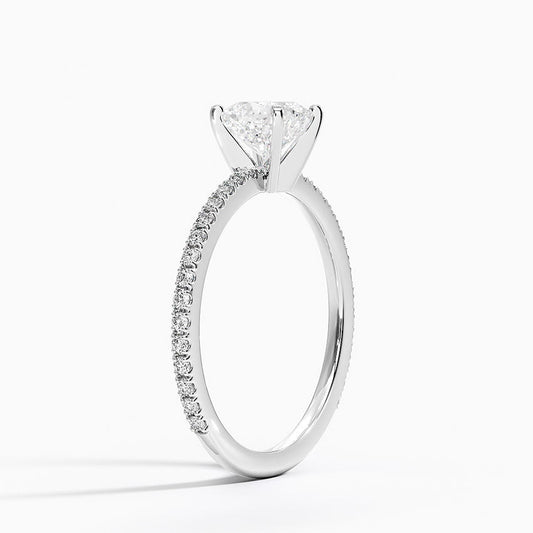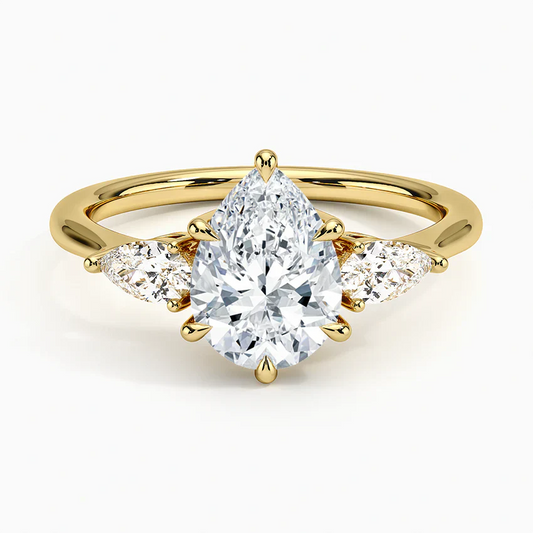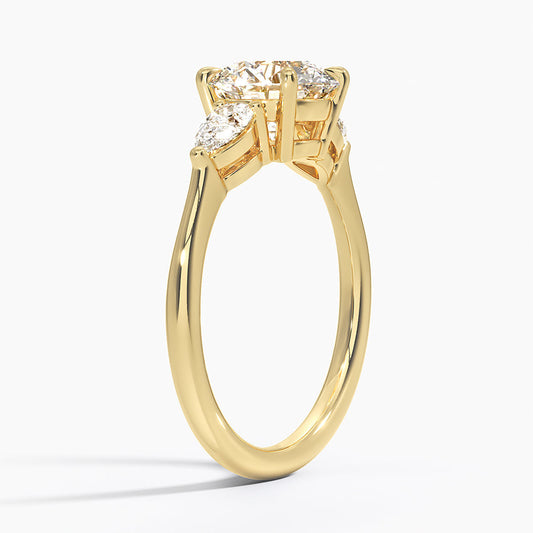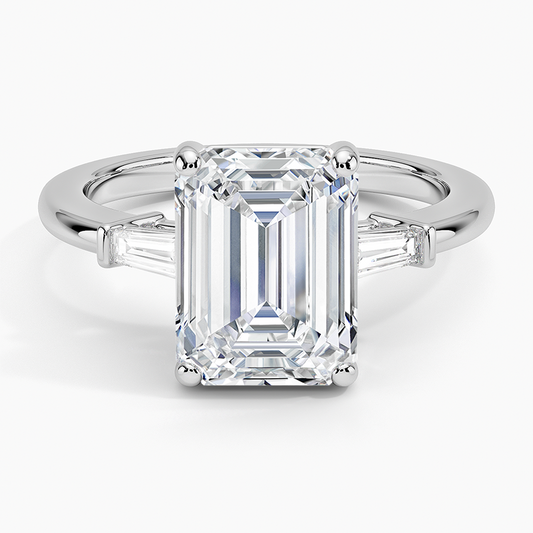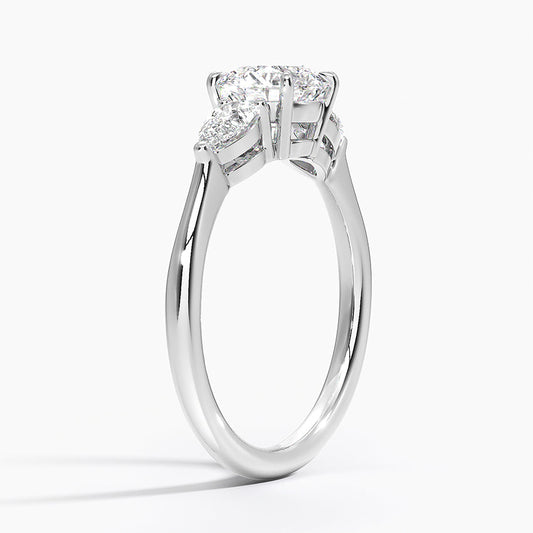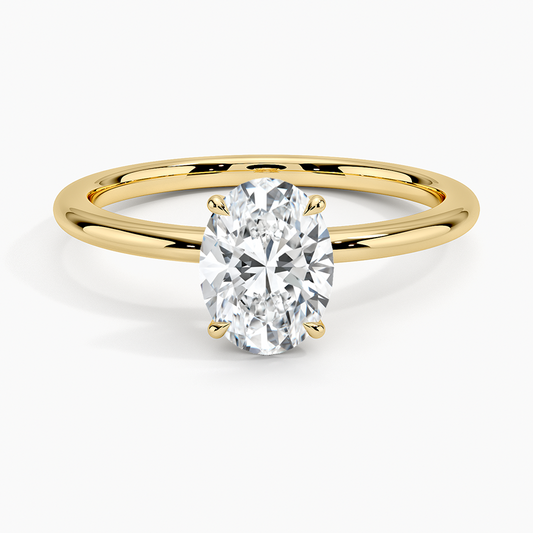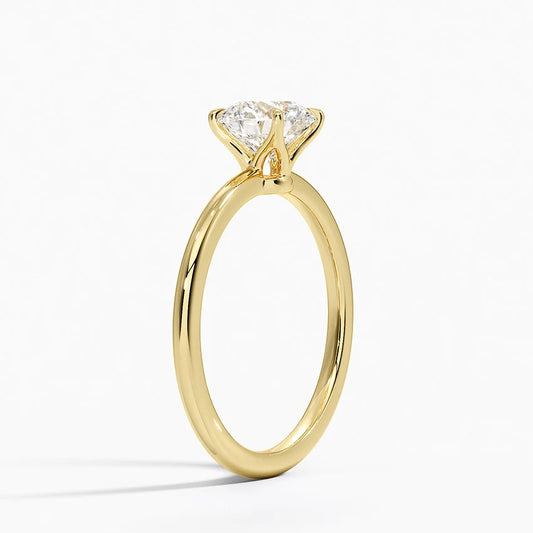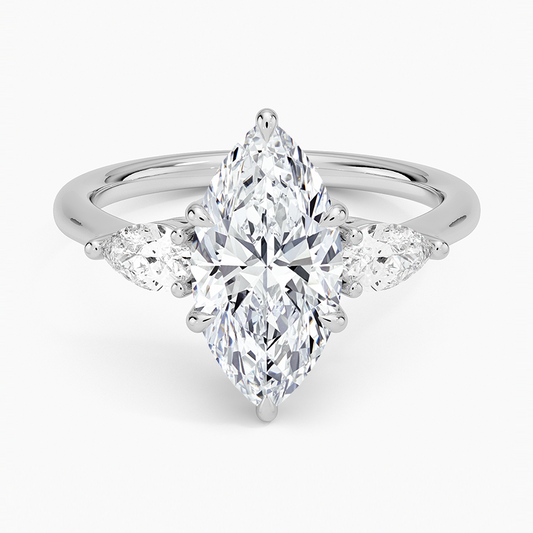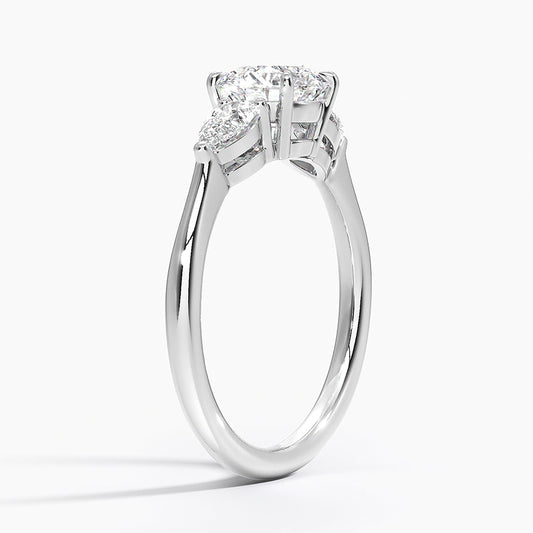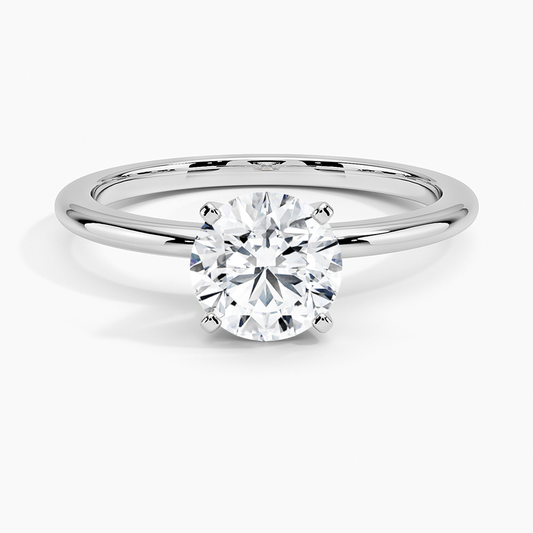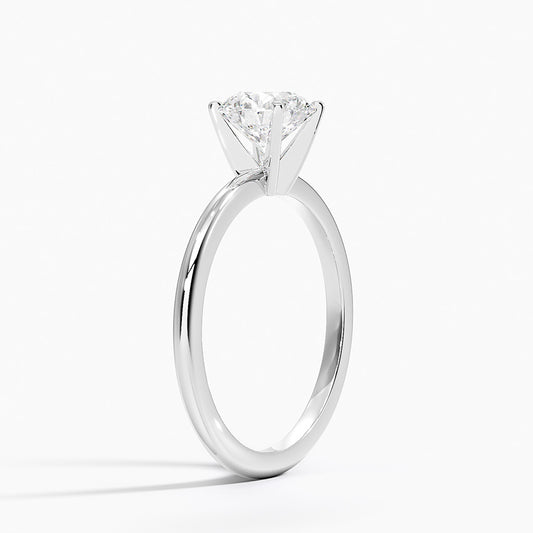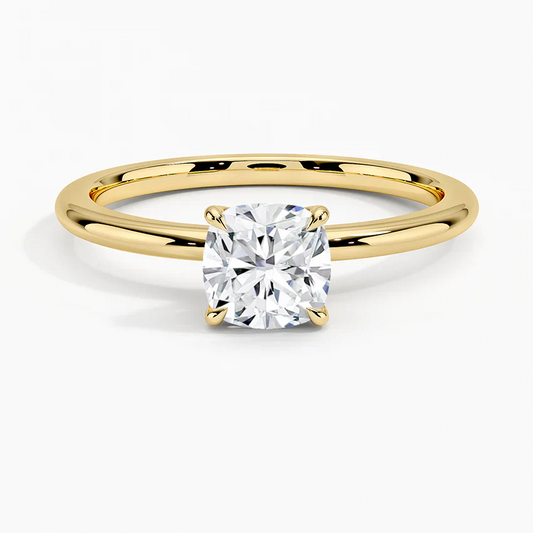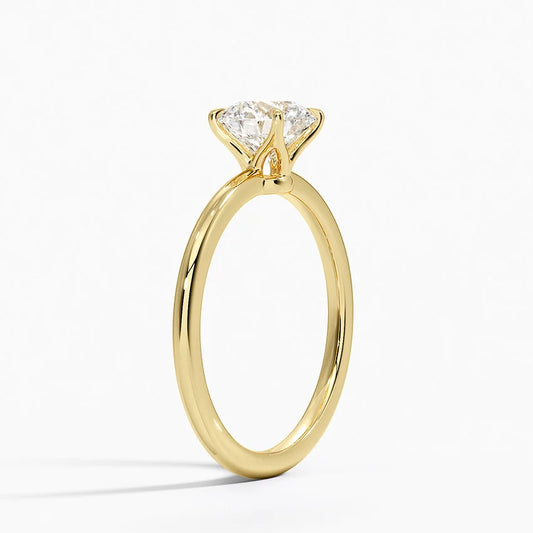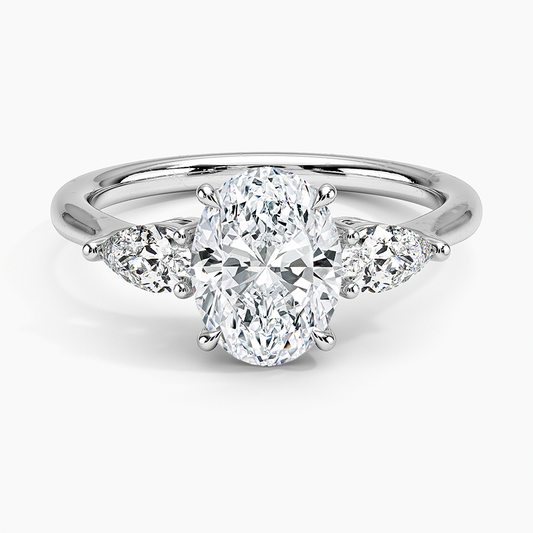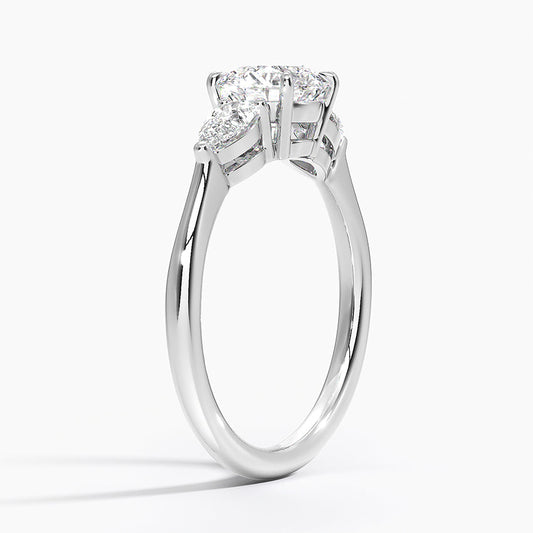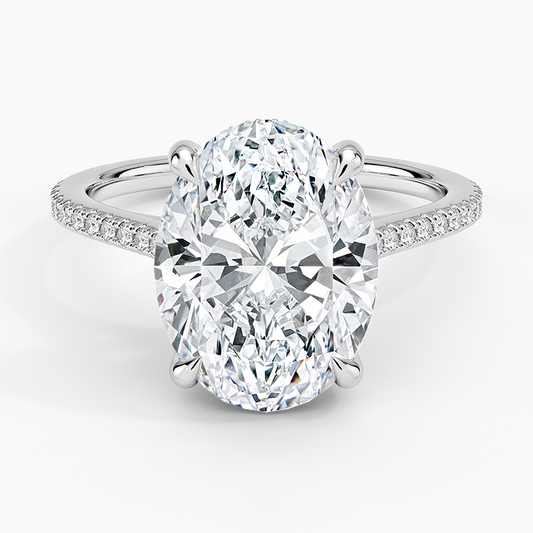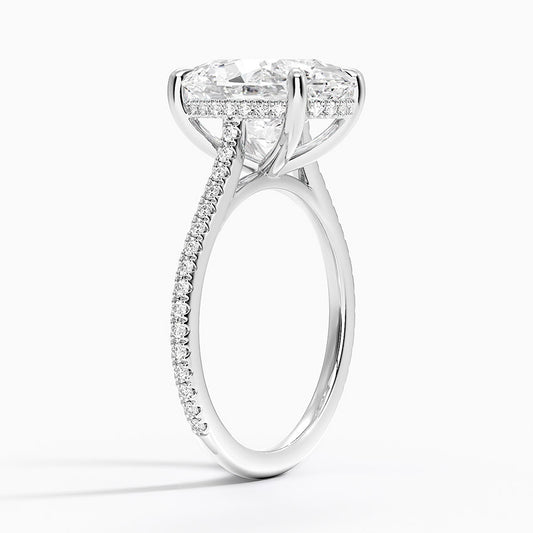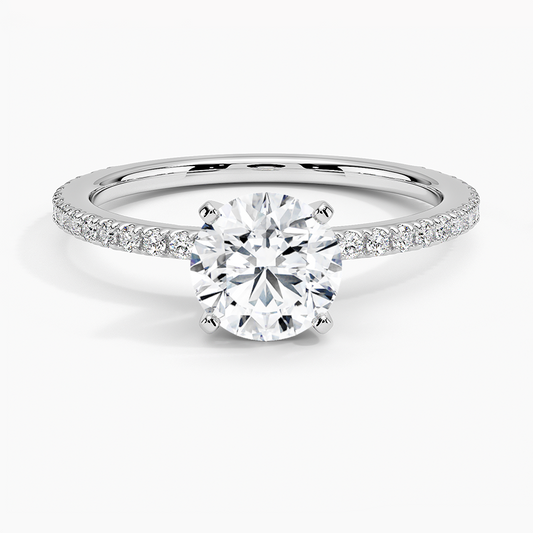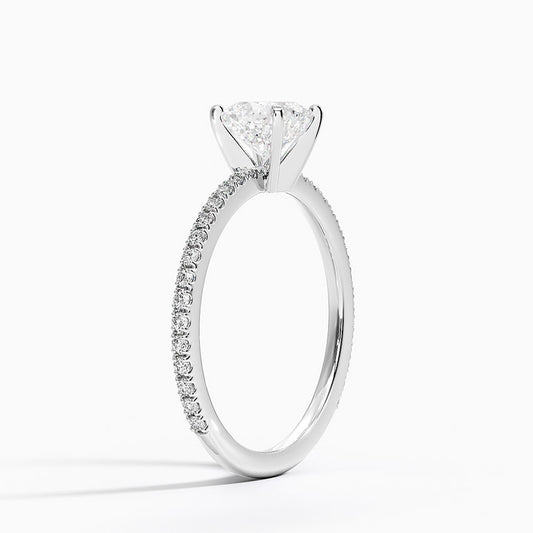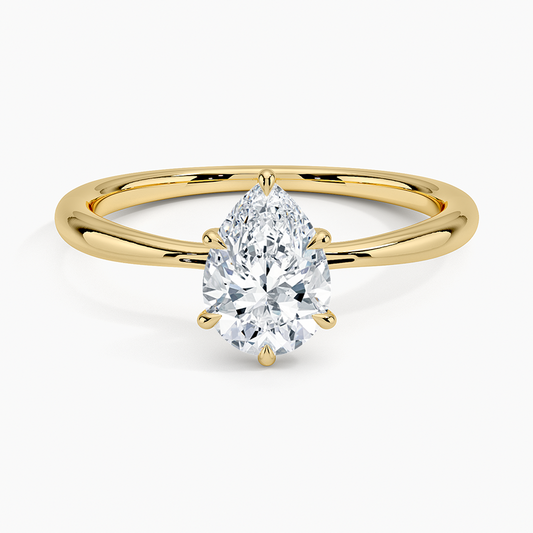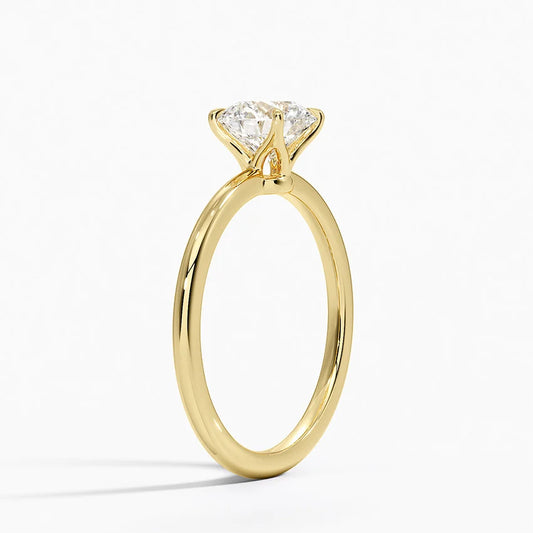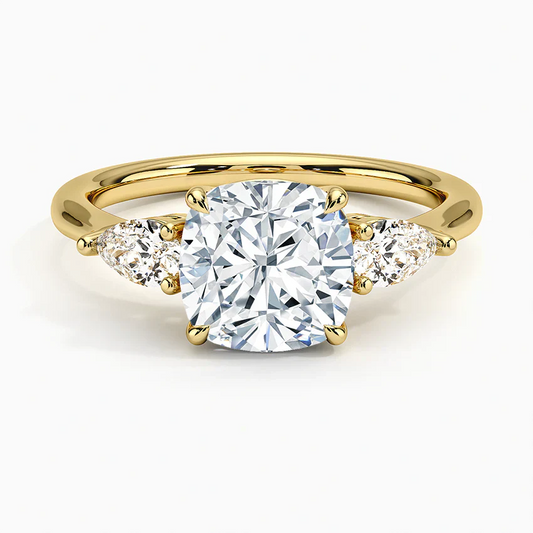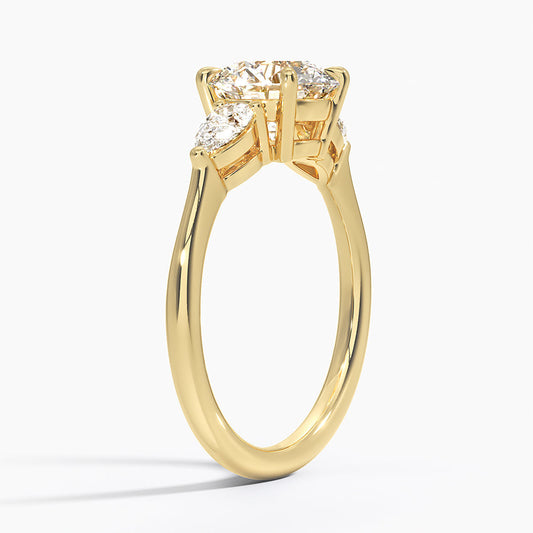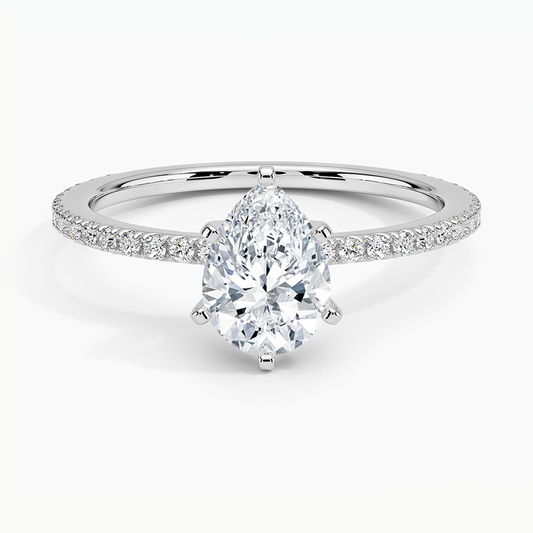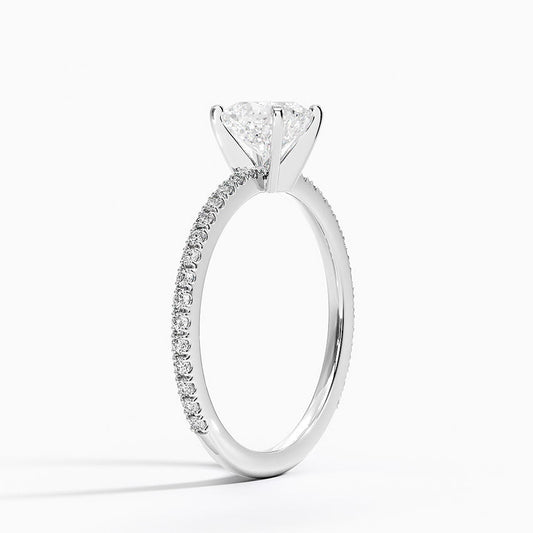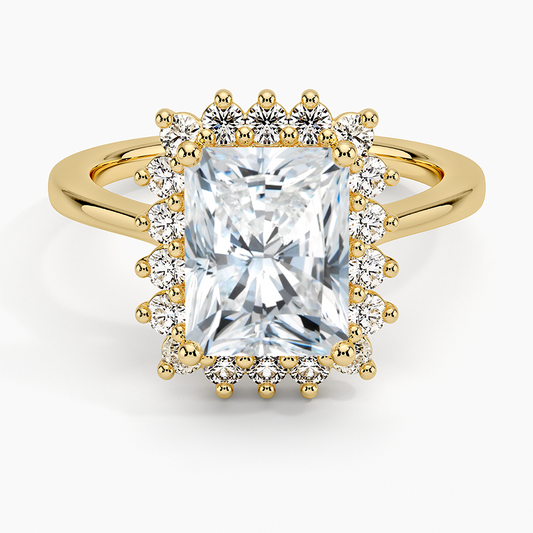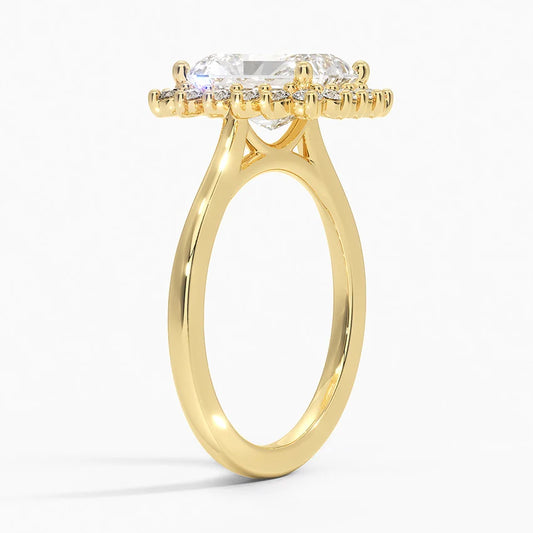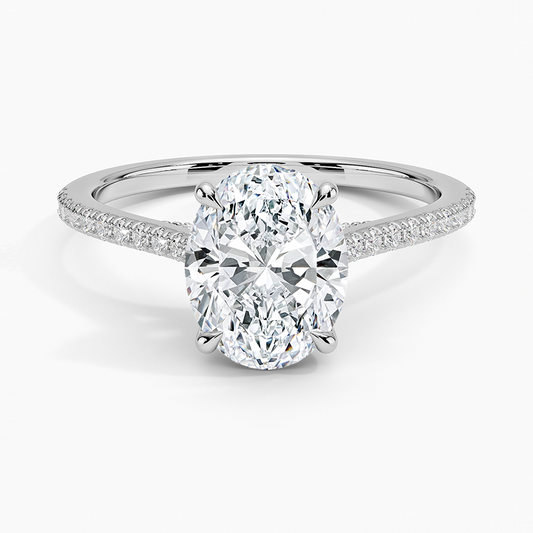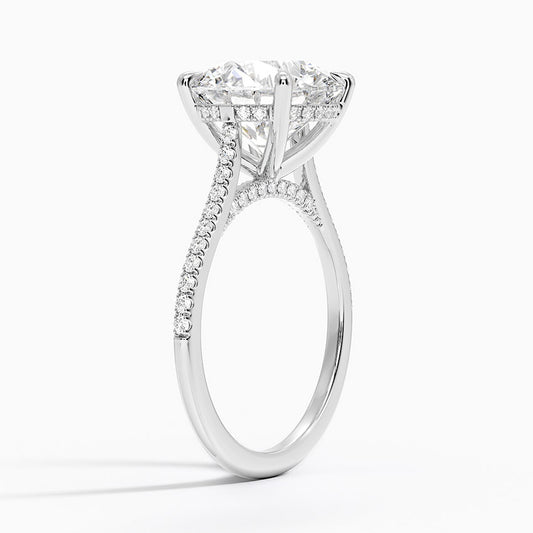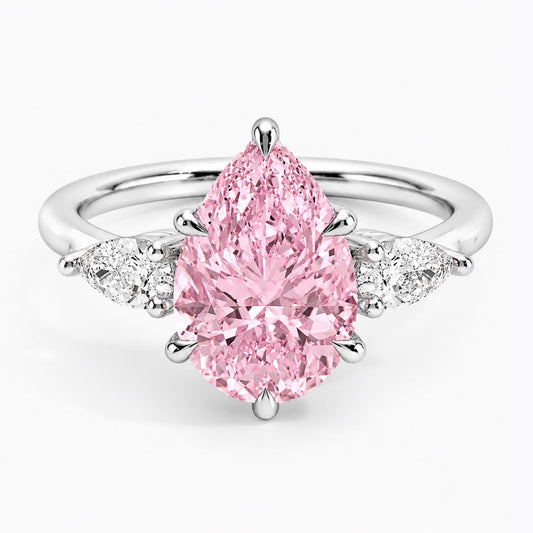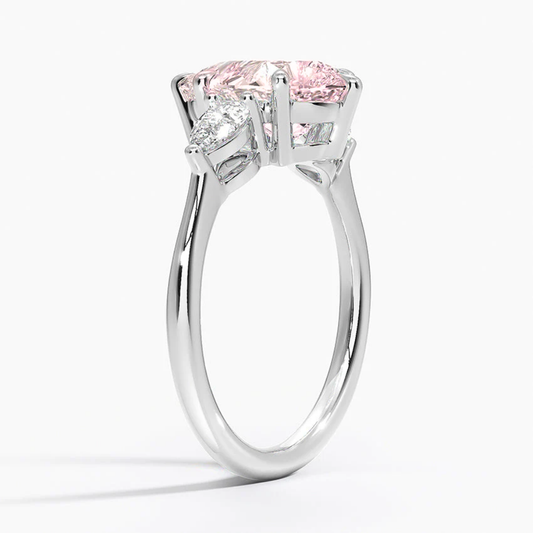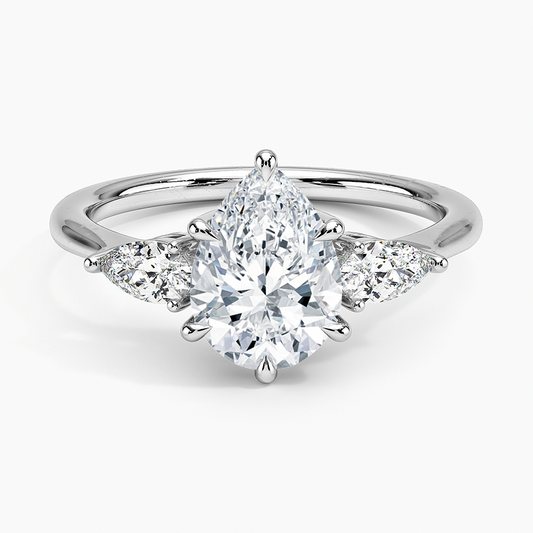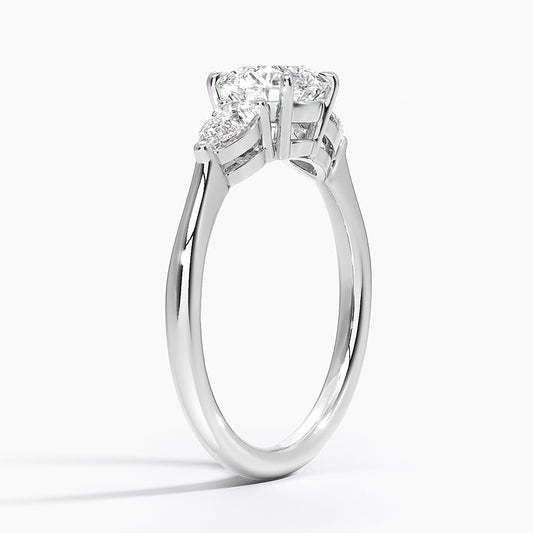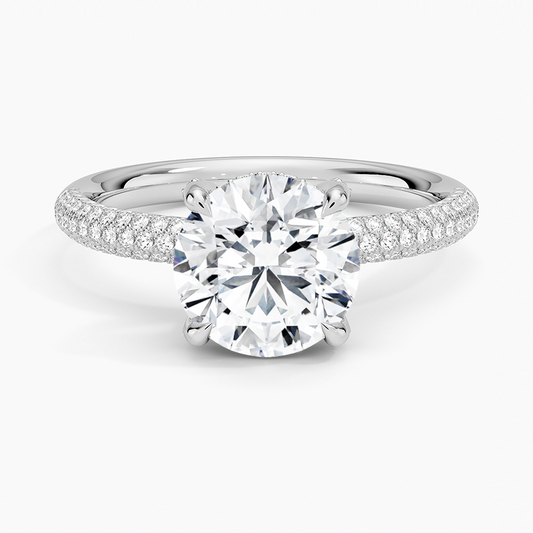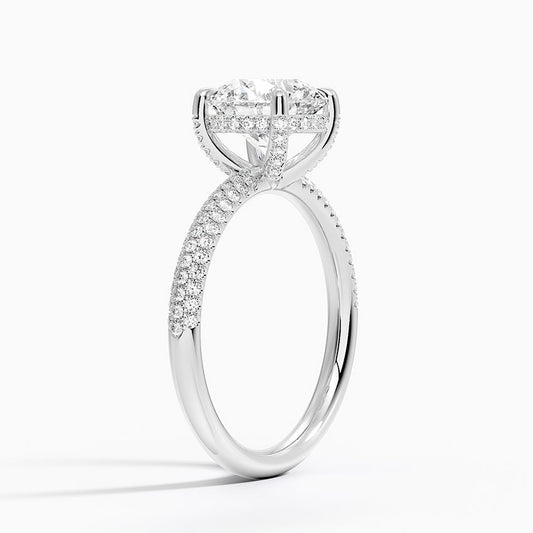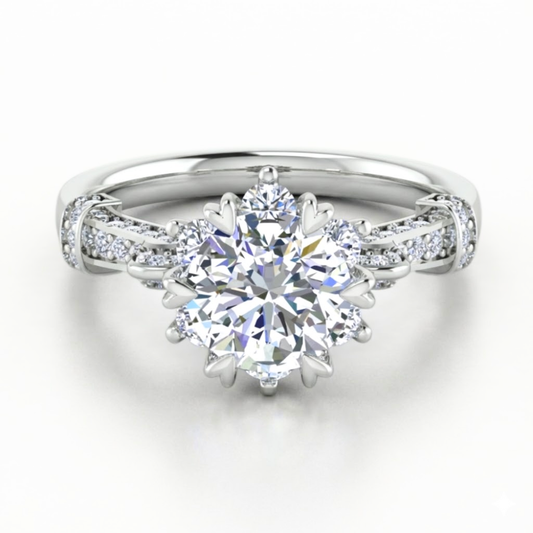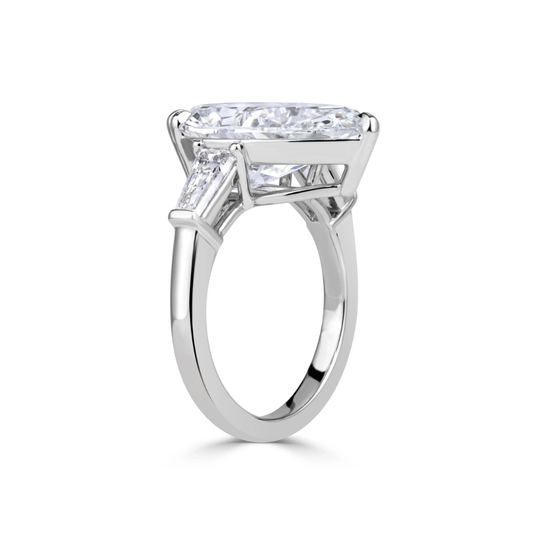
Carat is the most searched diamond term — and the most misunderstood. This guide covers what carat weight really means, how it translates to size on your finger, what you'll actually pay at each weight, and how to get the most out of every dollar.
Diamond Carat Size Guide: What Buyers Actually Need to Know
Carat is the most searched diamond term — and the most misunderstood. This guide covers what carat weight really means, how it translates to size on your finger, what you'll actually pay at each weight, and how to get the most out of every dollar.
TDO Editorial
1. What Is Diamond Carat Weight?
When most people hear "carat," they picture size. Understandable — but technically, carat is a unit of weight. One carat equals exactly 0.2 grams — roughly the weight of a small raindrop.
The word "carat" comes from carob seeds, which ancient gem traders used as counterweights on their scales because of their remarkably consistent size. That tradition evolved into the precise, standardised carat system used worldwide today. Diamonds are weighed to five decimal places and rounded to two — so when a certificate says 1.02ct, that's an exact scientific figure.
Carat vs. Karat — Not the Same Thing
These two words cause endless confusion, and it's worth clearing up straight away:
- Carat (ct) — measures the weight of a gemstone. One carat = 0.2 grams. This is what your diamond certificate refers to.
- Karat (K) — measures the purity of gold. 24K is pure gold, 18K is 75% gold mixed with other metals, 14K is 58% gold. Nothing to do with diamonds.
Same pronunciation, completely different meanings. If someone says their ring is "18 karat gold with a 1 carat diamond" — those are two separate measurements referring to two separate things.
Here's the part that trips most buyers up: two diamonds with identical carat weight can look noticeably different in size, depending on how they're cut and what shape they are. That's why buying by carat number alone is one of the most common — and costly — mistakes diamond buyers make.
If you're just starting out, it helps to first understand the 4 Cs of diamonds so carat sits in the right context alongside cut, colour, and clarity.
2. Diamond Carat Size Chart
Because carat measures weight — not diameter — a diamond can sit larger or smaller than its number suggests. The key variable is cut depth: how much of the diamond's weight sits below the girdle versus spread across the face-up surface — what you and everyone else actually sees.
For the standard round brilliant cut, here are approximate face-up diameters at common carat weights:
- 1.00ct → 6.4mm
- 2.00ct → 8.1mm
- 3.00ct → 9.3mm
- 4.00ct → 10.2mm
- 5.00ct → 11.0mm
These are approximations — every diamond is slightly different. An ideally cut 1.00ct round will spread wider than a deep-cut stone of the same weight, which is why cut quality is arguably the most important C of all. As carat weight increases beyond 2.00ct, even small differences in cut proportions become more visible — making cut grade increasingly critical the larger you go.
For fancy shapes, the measurements look quite different — and this is where carat weight gets really interesting. Because elongated shapes distribute their weight differently, they often face-up significantly larger than a round of the same carat weight:
- Princess: 1.00ct → 5.5mm / 2.00ct → 7.0mm / 3.00ct → 8.0mm / 4.00ct → 9.0mm / 5.00ct → 9.5mm
- Emerald: 1.00ct → 6.5×5mm / 2.00ct → 8.5×6mm / 3.00ct → 9.5×7mm / 4.00ct → 10.5×7.5mm / 5.00ct → 11.5×8.5mm
- Asscher: 1.00ct → 5.5mm / 2.00ct → 7.0mm / 3.00ct → 8.1mm / 4.00ct → 9.0mm / 5.00ct → 9.6mm
- Marquise: 1.00ct → 10.5×5mm / 2.00ct → 13×6.5mm / 3.00ct → 14×7mm / 4.00ct → 16×8mm / 5.00ct → 17×8.5mm
- Oval: 1.00ct → 8×5.5mm / 2.00ct → 10.5×7mm / 3.00ct → 11.5×7.5mm / 4.00ct → 13×8.5mm / 5.00ct → 14×9.5mm
- Radiant: 1.00ct → 6×5.5mm / 2.00ct → 7.5×7mm / 3.00ct → 8.5×7.5mm / 4.00ct → 9.5×8.5mm / 5.00ct → 10×9mm
- Pear: 1.00ct → 8.5×5.5mm / 2.00ct → 10.5×7mm / 3.00ct → 12.5×8mm / 4.00ct → 13.5×9mm / 5.00ct → 15×10mm
- Heart: 1.00ct → 6.7mm / 2.00ct → 8.3mm / 3.00ct → 9.5mm / 4.00ct → 10.3mm / 5.00ct → 11.0mm
- Cushion: 1.00ct → 6.5×5.5mm / 2.00ct → 8×7mm / 3.00ct → 9×8mm / 4.00ct → 10×8.5mm / 5.00ct → 10.5×9mm
Notice how a 1.00ct marquise measures 10.5×5mm in length — considerably longer than a 1.00ct round at 6.4mm. That's the same weight reading as a dramatically different size on the finger. If face-up size matters to you, diamond shape plays just as big a role as carat weight. Head over to our diamond shapes guide to see how every outline compares side by side.
Discover Ring Styles
3. Diamond Carat Sizes on Finger
A diamond on a velvet pad in a photo and a diamond on your actual finger are two very different experiences. The biggest variable is finger size.
As a practical reference:
- TDO (US size) 4–5 (petite fingers): 1 ct looks generous and well-proportioned
- TDO (US size)6-7 (average size): 2 ct is the classic sweet spot
- TDO (US size) 8+ (wider fingers): 3.00ct+ or an elongated shape gives a bold, balanced look
Elongated shapes are particularly flattering on wider fingers because they visually lengthen the finger and create the impression of a larger stone without requiring a heavier carat weight. Oval rings, pear rings, and marquise rings are all excellent choices here — they stretch the visual footprint of the stone without the cost of going heavier. It's worth trying on different shapes and sizes in person before making a final decision.
Shape: Oval
1 carat
Shown on ring size 6
Move the slider to see how each carat weight looks on the finger.
4. Diamond Carat Price Guide
Diamond prices don't rise in a straight line — they jump. Every time a diamond crosses a round-number threshold, demand spikes and prices follow. Here's a ballpark of what natural diamonds typically cost at common carat weights, assuming good cut, VS2 clarity, and G colour:
- 0.50ct — $900–$3,000
- 1.00ct — $3,000–$10,000+
- 1.50ct — $7,000–$20,000+
- 2.00ct — $15,000–$40,000+
- 2.50ct — $22,000–$60,000+
- 3.00ct — $30,000–$90,000+
For lab-grown diamonds, expect prices 40–60% lower across all weights, with the same physical and optical properties as natural stones.
Lab-grown diamonds are physically, chemically, and optically identical to mined diamonds — same carbon structure, same refractive index, same sparkle. The only difference is origin. They carry GIA or IGI grading certificates, just like natural stones.
The price difference is significant:
- A 1.00ct lab-grown diamond (G colour, VS2, excellent cut) typically costs $800–$3,000
- The same spec in natural typically costs $3,000–$10,000
- At 3.00ct, lab-grown sits around $7,000–$22,000 vs. $30,000–$90,000 for natural
What about value over time?
This is worth addressing honestly. Neither natural nor lab-grown diamonds are financial investments in the traditional sense — both lose a significant portion of their retail value immediately after purchase. As a real-world example: a 3ct round, VS1, F colour, excellent cut retails at around $3,700 lab-grown vs. $63,200 natural. The immediate resale loss on the lab stone is roughly $1,480 — on the natural, closer to $25,280. The percentage loss is broadly similar; the dollar loss is not.
The practical takeaway: if budget is a consideration and carat size matters to you, lab-grown gives you significantly more diamond for the same spend. If the natural origin and rarity of a mined stone holds personal meaning, that's a completely valid reason to choose natural — just go in with clear expectations on the financial side either way.
To explore options across all shapes and sizes, browse the full diamond collection.
5. Biggest Diamond Shapes Per Carat
Not all carat weights read the same across shapes. Some cuts spread their weight efficiently across the face-up surface — meaning they look larger relative to their weight — while others carry more mass below the girdle and appear smaller from above.
Here's how the most popular shapes rank, from largest-looking to smallest per carat:
- Marquise — tops the list. Its elongated, pointed outline covers more surface area per carat than almost any other shape. Marquise rings are a striking choice for maximum visual impact.
- Oval & Pear — at 1.00ct, an oval typically measures 7.5–8mm in length vs. 6.5mm for a round. Oval rings are among the most popular shapes right now for exactly this reason. Pear rings offer the same elongated effect with a distinctive teardrop silhouette.
- Emerald & Radiant — a wider open table that reads beautifully large. Emerald rings have a bold, architectural look that holds its own at lower carat weights. Radiant rings add brilliant sparkle to that same rectangular footprint.
- Cushion — carries more weight in depth and can appear slightly smaller face-up, but the soft, rounded shape is romantic and timeless. Cushion rings remain a perennial favourite.
- Asscher, Princess & Heart — more compact face-up but deeply distinctive. Asscher rings have a striking vintage character, princess rings are brilliantly sparkly, and heart rings are charming and one-of-a-kind.
To see how all shapes compare at a glance, browse all diamond shapes.
6. Settings That Make Diamonds Look Bigger
Your setting is a design tool — and one of the most underutilised ones. Two rings with identical centre stones can look completely different in apparent size depending on how they're set.
Here's what actually moves the needle:
- Thin, delicate bands — create contrast that makes the diamond appear larger. A wide band visually absorbs part of the stone; a slim band lets it project freely.
- High-set prong settings — lift the diamond off the finger, allowing light in from all angles and increasing perceived brilliance and size.
- Halo settings — the most reliable way to add visual carat weight without buying a larger stone. A well-designed halo can make a 0.70ct centre appear comparable to a 1.00ct solitaire in visual weight, at a fraction of the price difference.
- Consider a lab-grown diamond — if you want a larger carat weight without stretching your budget, lab-grown is worth serious consideration. Optically, chemically, and physically identical to natural diamonds, they allow you to go significantly higher in carat size for the same spend — meaning you can prioritise both size and cut quality without compromising either.
- Keep your diamond clean — this one is underrated. A dull, dirty diamond looks smaller and less alive than a clean one. Regular cleaning keeps light moving through the stone the way it should, preserving the brilliance that makes any carat size look its best. A quick soak in warm soapy water and a soft brush is all it takes.
If you haven't decided on a shape yet, exploring the full diamond shape collection alongside setting styles is a great way to see how the two work together before committing.
7. How to Choose the Right Carat Weight
There's no single "correct" carat weight. The right choice is the one that looks and feels right on your hand, suits your lifestyle, and works within your budget without compromising the things that matter most — primarily cut quality.
The right carat size isn't a number — it's the one that feels like you.
Before settling on a weight, think about these four things:
Your style. Are you drawn to something understated and delicate, or bold and commanding? A 0.75ct in a sleek solitaire can look just as intentional as a 2.00ct in an elaborate setting. Carat is one part of a much bigger aesthetic picture.
Your lifestyle. If you're active, work with your hands, or simply prefer jewellery that doesn't draw attention, a smaller, lower-set diamond may suit you far better than a large stone that snags or feels out of place day-to-day. A ring you wear every day with ease will always feel more "you" than one that stays in a box.
Your hand. Finger length, width, and skin tone all influence how a carat weight reads in real life. Elongated shapes like oval, pear, and marquise create the illusion of length and tend to face-up larger per carat — a great option if visual presence matters to you without needing to go heavier.
Your budget. Work with what you have — but spend it wisely. The single most important thing to protect in your budget is cut quality. A brilliantly cut 1.00ct diamond will outshine a 2.00ct stone with a mediocre cut every single time. Never sacrifice cut for carat size. If budget is a consideration, explore lab-grown alongside natural — you'll get the same optical quality at a significantly lower price point, freeing you to prioritise the cut grade your diamond deserves.
When you're ready, browse all diamond shapes to find the combination that feels right for you.
In Summary:
Choosing a diamond carat weight comes down to four things working together: shape, setting, finger size, and budget. Carat is just the starting point — not the whole story.
Here's what to take away from this guide:
- Carat = weight, not size. Two diamonds at the same carat weight can look very different face-up depending on cut and shape.
- Shape changes everything. Elongated shapes like oval, pear, and marquise look significantly larger per carat than round or princess cuts.
- Cut quality matters more than carat weight. A brilliantly cut smaller diamond will always outshine a larger, poorly cut stone.
- Your setting amplifies the stone. Halos, thin bands, and high settings all add perceived size without adding carat weight.
- Lab-grown gives you more carat for your budget — with identical optical and physical properties to natural diamonds.
- Popular carat sizes each have their own personality — from the understated elegance of 0.50ct to the show-stopping presence of 2.00ct.
Understanding the 4 Cs of diamonds and exploring all diamond shapes side by side is the best way to find the combination that feels right for you — and makes the most of every dollar you spend.
Frequently Asked Questions
What is a good carat size for an engagement ring?
The most popular engagement ring range is 1 ct to 3ct, with 2.00ct being the single most common choice. The right size is ultimately what looks proportionate on the wearer's hand and fits the budget without sacrificing cut quality.
Does a higher carat diamond always look bigger?
Not necessarily. Carat measures weight, not diameter. A deep-cut 1.10ct can face-up smaller than an ideally cut 0.95ct of the same shape. Elongated shapes like oval, marquise, and pear also look larger per carat than round or princess cuts, because they spread more weight across the visible surface.
What is the difference between carat and karat?
Carat (ct) is the unit of weight for gemstones — one carat equals 0.2 grams. Karat (K) measures the purity of gold — 24K is pure gold, 18K is 75% gold mixed with other metals. They sound identical but measure completely different things.
Does carat weight affect a diamond's sparkle?
Carat weight on its own does not determine sparkle — cut quality does. A smaller diamond with an excellent cut will outshine a larger stone with a poor cut every time. That said, larger diamonds do have more surface area for light to interact with, which can enhance brilliance when the cut is good. The key is never to sacrifice cut grade in pursuit of a higher carat number. A well-cut 0.90ct will look more alive than a 1.10ct with a mediocre cut — and often costs less. Always prioritise cut first, then carat. For a full breakdown of how the two relate, see our guide to the 4 Cs of diamonds.
What is the best carat size for different ring styles?
Different ring styles naturally suit different carat weights. Solitaire settings let the diamond speak for itself — a minimum of 0.75ct to 1.00ct tends to give the clean, bold look a solitaire calls for. Halo settings amplify the centre stone, so even a 0.50–0.70ct diamond can look like a 1.00ct+ ring — making them ideal for buyers who want maximum visual impact at a lower carat weight. Three-stone rings distribute weight across multiple stones, so the overall carat total matters more than the centre stone alone. Pavé and band settings pair beautifully with larger centre stones — 1.00ct and above — where the diamond becomes the clear focal point against the detailed metalwork. For elongated shapes like oval, pear, and marquise, even 0.75ct carries impressive presence thanks to the extended face-up surface. The best starting point is always to choose your shape first — browse all diamond shapes to find the one that speaks to you, then build the carat and setting around it.
Discover Most Loved Rings
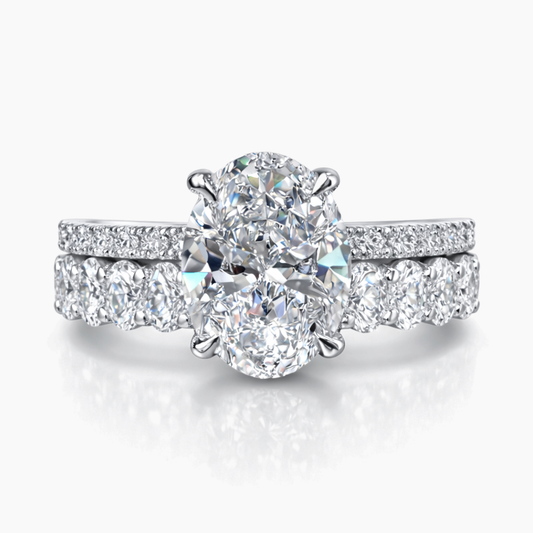
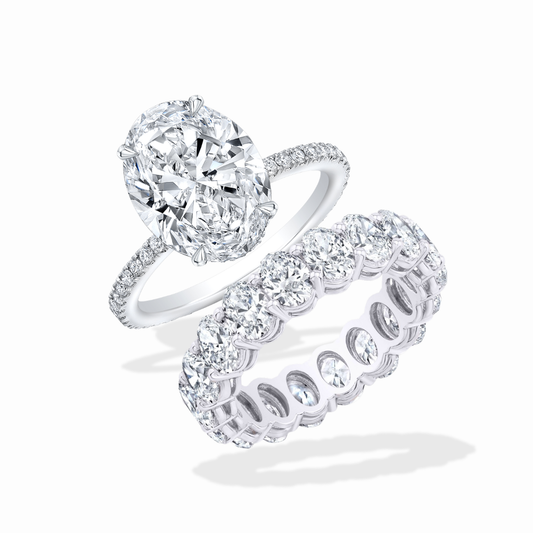
Oval Pave and Oval Eternity Lab Diamond Ring Set in 18K Gold
Oval Pave and Oval Eternity Ring Set | 18K White Gold | Lab Grown Diamond | Oval | From 3 ct. tw.
From
Dhs. 0.00 AED
Dhs. 9,650.00 AED
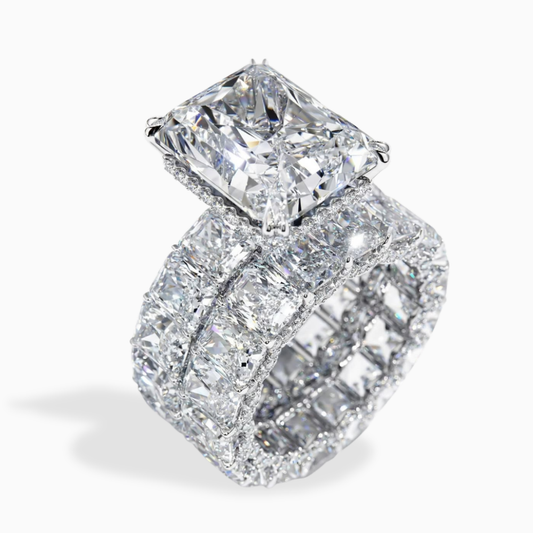
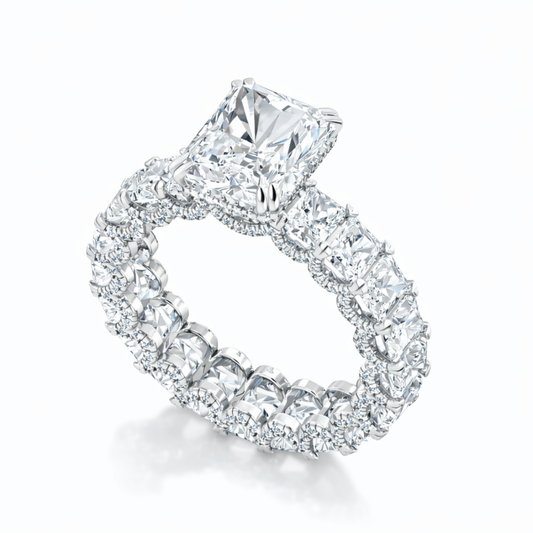
11 Carat Set of Jana Eternity Radiant (7 ct. tw.) + Radiant Eternity (4 ct. tw.) Lab Diamond Rings in White Gold 18K | IGI and SGL certificates
11 Carat Jana Eternity 2 Rings Set | 18K White Gold | Lab Grown Diamond | Radiant | 11 ct
Dhs. 28,000.00 AED
Dhs. 26,000.00 AED
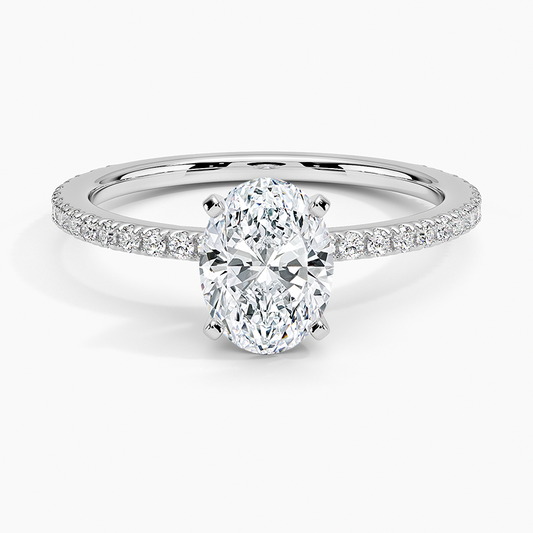
Trilogy Ring
Trilogy | 18K Yellow Gold | Lab Grown Diamond | Pear | From 1 ct
From
Dhs. 0.00 AED
Dhs. 4,500.00 AED
Trilogy Ring
Trilogy | 18K White Gold | Lab Grown Diamond | Emerald | From 1 ct
From
Dhs. 0.00 AED
Dhs. 4,500.00 AED
Solitaire Ring
Solitaire Ring | 18K Yellow Gold | Lab Grown Diamond | Oval | From 1 ct
From
Dhs. 0.00 AED
Dhs. 4,000.00 AED
Trilogy Ring
Trilogy | 18K White Gold | Lab Grown Diamond | Marquise | From 1 ct
From
Dhs. 0.00 AED
Dhs. 4,500.00 AED
Solitaire Ring
Solitaire Ring | 18K White Gold | Lab Grown Diamond | Round | From 1 ct
From
Dhs. 0.00 AED
Dhs. 4,000.00 AED
Solitaire Ring
Solitaire Ring | 18K Yellow Gold | Lab Grown Diamond | Cushion | From 1 ct
From
Dhs. 0.00 AED
Dhs. 4,000.00 AED
Trilogy Ring
Trilogy | 18K White Gold | Lab Grown Diamond | Oval | From 1 ct
From
Dhs. 0.00 AED
Dhs. 4,500.00 AED
4 ct. Oval Lab Diamond Hidden Halo 3/4 Diamonds Pave Setting White Gold 18K
Pave + Hidden Accents | 18K White Gold | Lab Grown Diamond | 4 ct
Dhs. 0.00 AED
Dhs. 16,000.00 AED
Solitaire Ring
Solitaire Ring | 18K Yellow Gold | Lab Grown Diamond | Pear | From 1 ct
From
Dhs. 0.00 AED
Dhs. 4,000.00 AED
Trilogy Ring
Trilogy | 18K Yellow Gold | Lab Grown Diamond | Cushion | From 1 ct
From
Dhs. 0.00 AED
Dhs. 4,500.00 AED
Vintage Halo Lab Grown Diamond Engagement Ring in 18k Gold - Radiant
Halo Ring | 18K White Gold | Lab Grown Diamond | Radiant | From 1 ct
From
Dhs. 0.00 AED
Dhs. 4,400.00 AED
2 ct. Oval Lab Diamond Hidden Halo Cathedral Half Pave Setting 18K White Gold
Pave + Hidden Accents | Cathedral | 18K White Gold | Lab Grown Diamond | 2 ct
Dhs. 0.00 AED
Dhs. 8,300.00 AED
Trilogy Fancy Colored Lab Diamond Ring (Pear Side Diamonds) in White Gold 18K
Trilogy (Pear Sides)| 18K White Gold | Lab Grown Diamond | Pink Pear | From 1 ct
From
Dhs. 0.00 AED
Dhs. 5,000.00 AED
Trilogy Ring
Trilogy | 18K White Gold | Lab Grown Diamond | Pear | From 1 ct
From
Dhs. 0.00 AED
Dhs. 4,500.00 AED
3-sided Pave Hidden Halo Lab Diamond Ring
3-sided Pave Hidden Halo Ring | 18K White Gold | Lab Grown Diamond | From 1 ct
From
Dhs. 0.00 AED
Dhs. 4,500.00 AED
Mariette Unique Round Lab Diamond 18K Gold Ring
Unique | 18K White Gold | Lab Grown Diamond | Round | From 1 ct
From
Dhs. 0.00 AED
Dhs. 4,400.00 AED
Trilogy Fancy Colored Lab Diamond Ring (Pear Side Diamonds) in White Gold 18K
Trilogy (Pear Sides)| 18K White Gold | Lab Grown Diamond | Yellow Oval | From 1 ct
From
Dhs. 0.00 AED
Dhs. 5,000.00 AED
Trilogy Fancy Colored Lab Diamond Ring (Pear Side Diamonds) in White Gold 18K
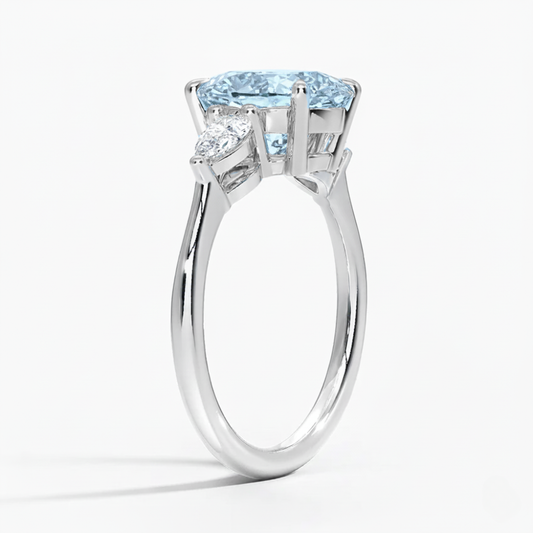
Trilogy (Pear Sides)| 18K White Gold | Lab Grown Diamond | Blue Round | From 1 ct
From
Dhs. 0.00 AED
Dhs. 5,000.00 AED
Trilogy Fancy Colored Lab Diamond Ring (Pear Side Diamonds) in White Gold 18K
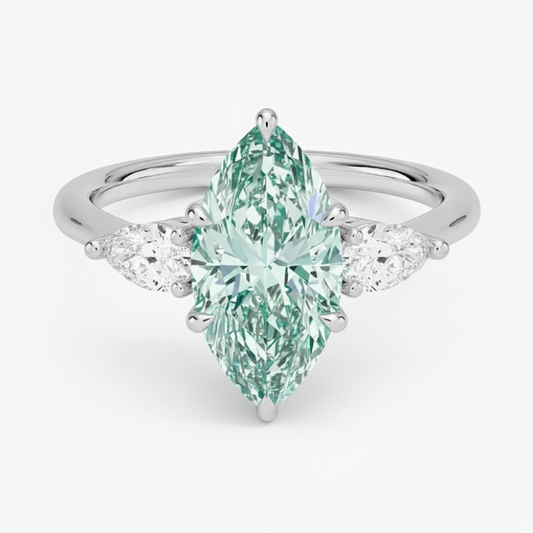
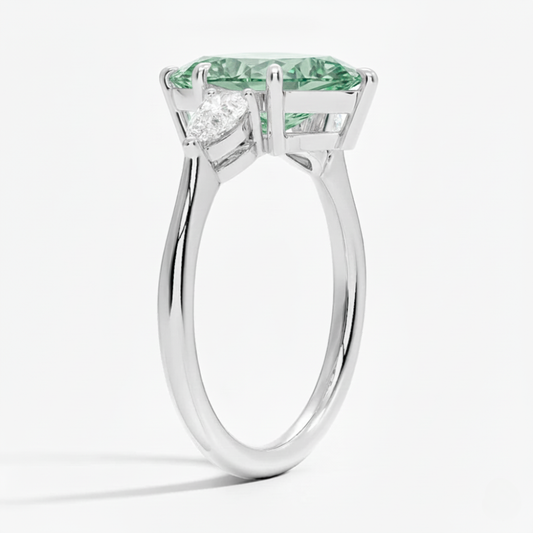
Trilogy (Pear Sides)| 18K White Gold | Lab Grown Diamond | Green Marquise | From 1 ct
From
Dhs. 0.00 AED
Dhs. 5,000.00 AED
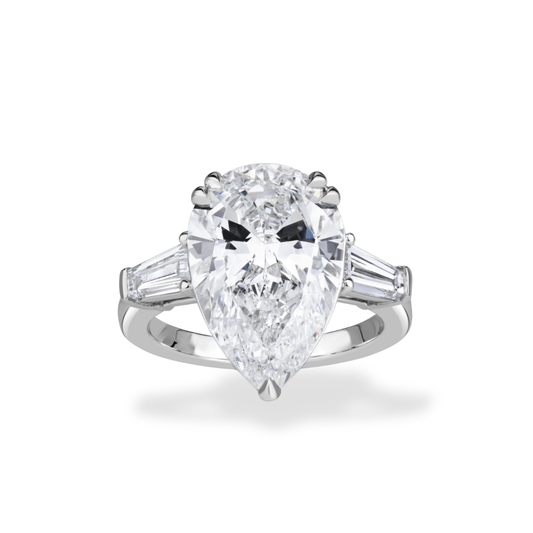
Trilogy Tapered Baguette Sides Lab Grown Diamond Engagement Ring in 18k Gold - Pear
Trilogy | 18K White Gold | Lab Grown Diamond | Pear | From 4 ct
From
Dhs. 23,000.00 AED
Dhs. 13,800.00 AED
Learn More About Diamonds
The 10 Key Diamond Shapes: A Complete Guide
Round, oval, emerald, pear — every diamond shape has its own personality....
The 4 Cs of Diamonds: Carat, Cut, Color, Clarity
Not sure what cut, color, clarity, and carat actually mean when buying...
Diamond Fluorescence — Does it Matter?
Learn about diamond fluorescence, a natural occurrence when a diamond emits a...